


Microblading Pain Explained: What to Expect During Your Session

Updated: Oct 3
Microblading is a popular way to enhance your eyebrows with natural-looking, semi-permanent makeup. But if you’re thinking about getting it done, you might be wondering about one important thing: how painful is microblading? I’ve been through it myself and worked with many clients, so let me share what I’ve learned about pain levels during microblading and how you can prepare for a comfortable experience.
Understanding Microblading Pain Explained
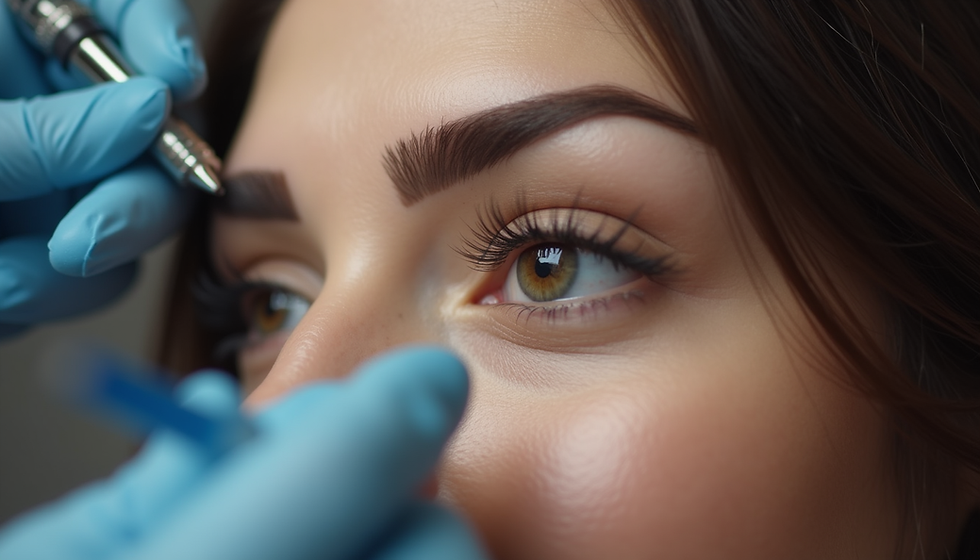
First, let’s talk about what microblading actually involves. The process uses a small handheld tool with tiny needles to create fine hair-like strokes on your skin. This deposits pigment into the upper layers of your skin, giving the appearance of fuller, shaped eyebrows.
Because the skin is being gently scratched, some discomfort is expected. But pain levels vary widely from person to person. Some clients say it feels like light scratching or a mild sting, while others describe it as more intense.
Here’s what affects your pain experience:
Skin sensitivity: If you have sensitive skin, you might feel more discomfort.
Pain tolerance: Everyone’s pain threshold is different.
Numbing cream: Most artists apply a topical anesthetic to reduce pain.
Technique and artist skill: A skilled artist will work gently and efficiently.
Personally, I found the numbing cream made a huge difference. The first few strokes felt a bit strange, but not unbearable. After that, it was mostly a mild sensation.

What is More Painful, Microblading or Tattooing?
This is a common question. Both microblading and tattooing involve inserting pigment into the skin, but the techniques and depth differ.
Microblading uses a manual tool to create fine, shallow strokes in the upper skin layers.
Tattooing uses a machine that penetrates deeper into the skin with needles.
Because tattoo needles go deeper, tattooing usually causes more pain and longer healing times. Microblading is less invasive and generally less painful.
If you’ve had a tattoo before, you might find microblading much more comfortable. However, if you have a low pain tolerance, both can feel uncomfortable.
How to Prepare for Your Microblading Session
Preparation can make a big difference in your comfort level. Here are some tips I recommend:
Avoid caffeine and alcohol 24 hours before your appointment. These can increase sensitivity and bleeding.
Skip blood thinners like aspirin or ibuprofen if possible, as they can cause more bleeding.
Stay hydrated and eat a good meal before your session to keep your energy up.
Communicate with your artist about your pain concerns. They can adjust the numbing cream or technique.
Relax and breathe deeply during the procedure. Tension can make pain feel worse.
Remember, the session usually lasts about 1.5 to 2 hours. The initial strokes might feel more intense, but it tends to get easier as the numbing cream kicks in.

What to Expect After Microblading: Pain and Healing
After your session, you might experience some mild discomfort, redness, or swelling. This is normal and usually lasts a day or two. Here’s what you can expect:
Soreness: Your eyebrows may feel tender, similar to a mild sunburn.
Itching: As the skin heals, itching is common but avoid scratching.
Scabbing: Tiny scabs may form as the pigment settles. Let them fall off naturally.
Sensitivity: Avoid touching or applying makeup on the area for at least a week.
Pain should decrease quickly after the procedure. If you experience sharp or prolonged pain, contact your artist immediately.
To help with healing, follow your artist’s aftercare instructions carefully. This usually includes:
Keeping the area clean and dry.
Avoiding sun exposure and swimming.
Applying recommended ointments.
Final Thoughts on Microblading Pain and Beauty
So, how painful is microblading really? It’s a bit like getting your eyebrows waxed or threaded but with a numbing cream to ease the sensation. Most people find it manageable and worth the beautiful, natural results.
If you’re nervous, talk openly with your artist. They want you to feel comfortable and confident. And if you’re considering becoming a permanent makeup artist yourself, understanding pain levels helps you provide the best care for your clients.
Microblading is a fantastic way to enhance your natural beauty with long-lasting results. With the right preparation and mindset, the pain is minimal compared to the boost in confidence you’ll gain.
Ready to take the next step? Learn more about how painful is microblading and book your session with a trusted artist today!


Comments